Bringing New Ideas to Enrichment: Nexplore at SPARC 2026


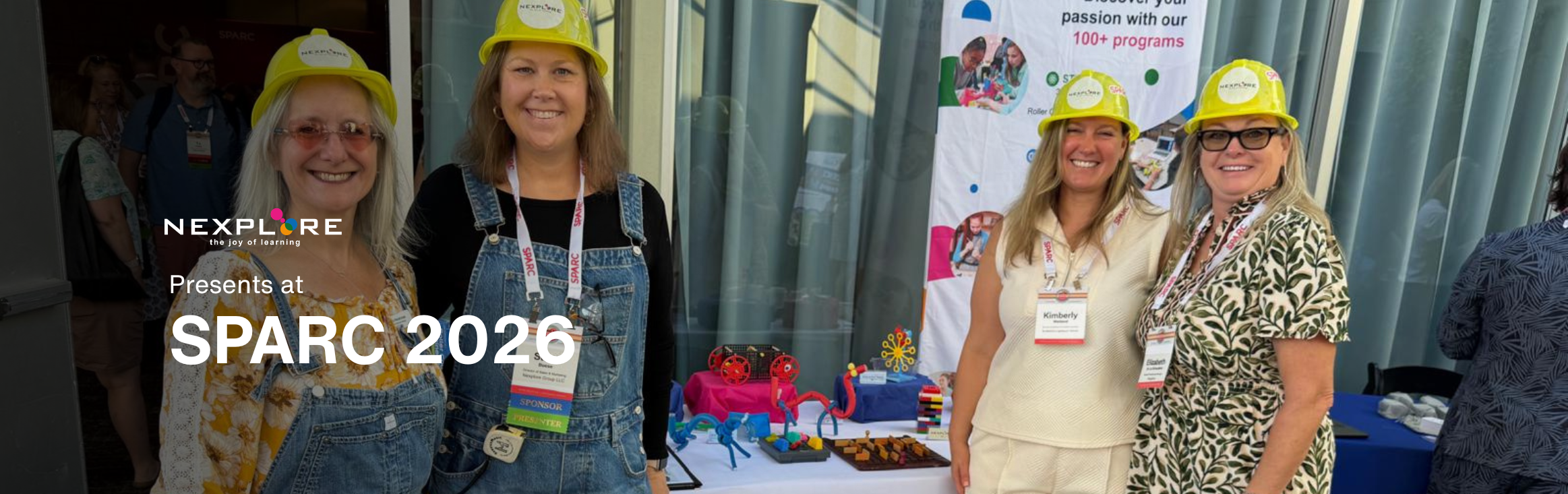
At Nexplore, we believe the best enrichment experiences combine fun, creativity, and purposeful learning. That’s why attending the SPARC National Conference 2026 in Arizona was a valuable opportunity for our team to exchange ideas, explore innovative approaches, and discover new ways to make summer and auxiliary programs even more engaging for children and families.
Staci, our Director of Sales & Marketing, and Nomi and Elizabeth, our Regional Relationship Managers, participated in workshops, professional learning sessions, and interactive activities focused on strengthening summer programming, sharing best practices, and building meaningful experiences that inspire children to learn through exploration.
Learning Through Play and Hands-On Experiences
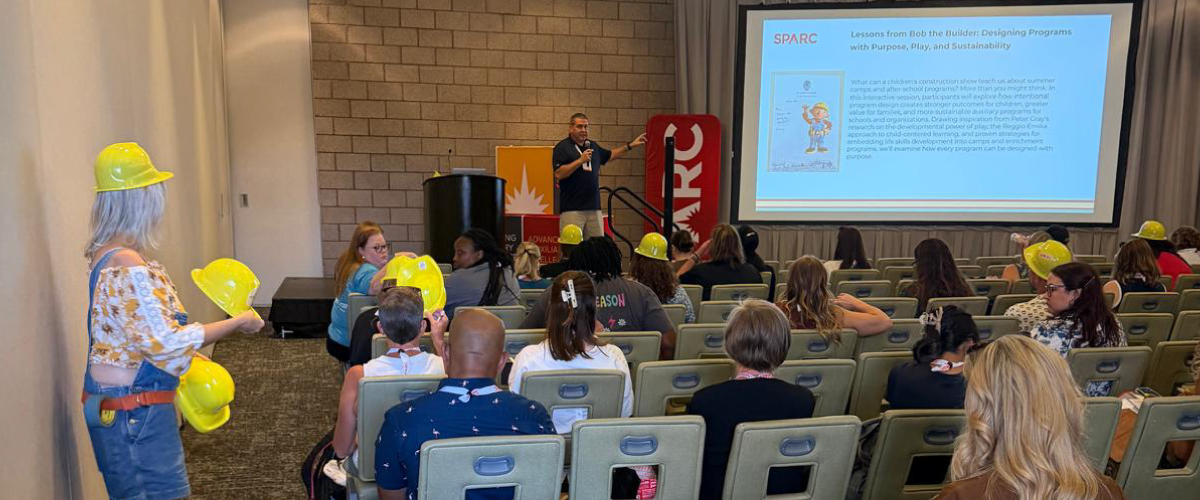
One of the highlights was the Bob the Builder workshop with Bob Rojee, Senior Advisor at SPARC, where Nomi explored hands-on, interactive learning activities and how creative experiences can encourage student engagement. The session reinforced the importance of designing enrichment opportunities that invite children to participate, experiment, and discover new ideas.
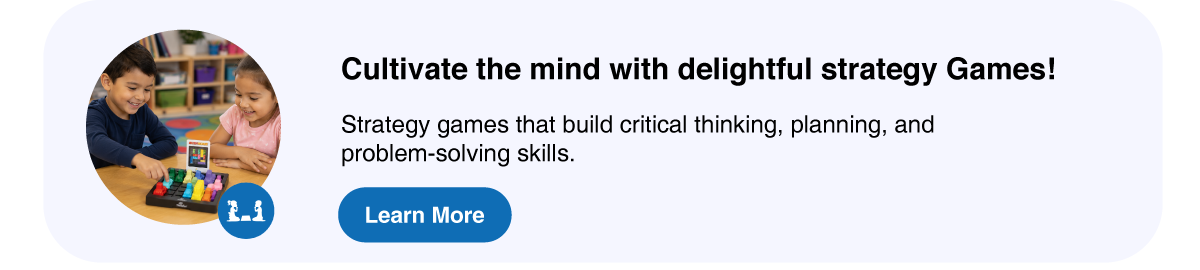
Nomi and Staci also joined a SPARC Burst featuring the Art of Play workshop and the Rush Hour game. This activity demonstrated how games can make learning both fun and purposeful by encouraging logical reasoning, strategic thinking, planning, persistence, and problem-solving.
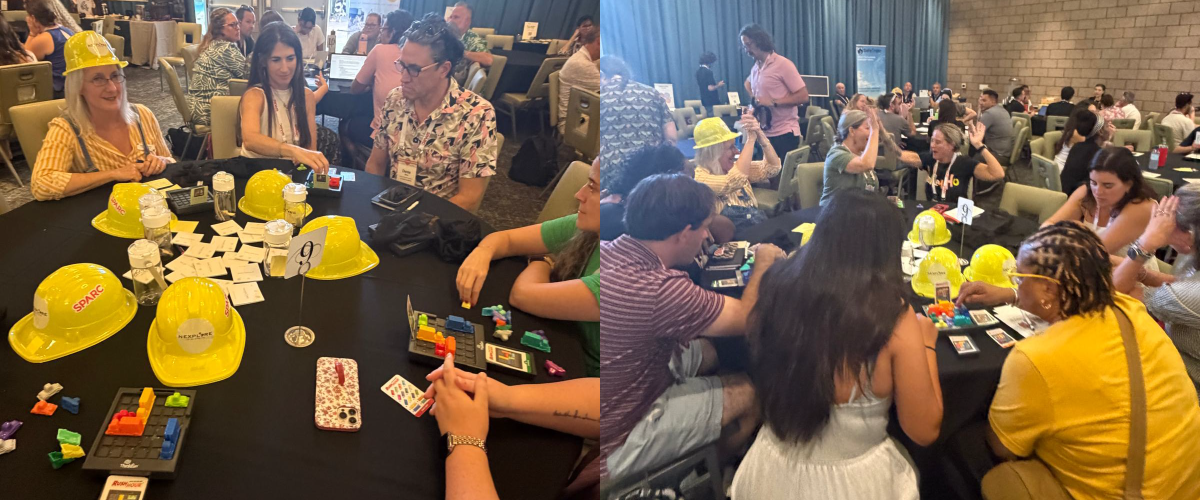
When children work through a challenge, test different solutions, and learn from their mistakes, they develop skills that extend beyond the activity itself. These playful experiences help build confidence, spark curiosity, and make learning memorable.
Creativity That Makes Learning Memorable
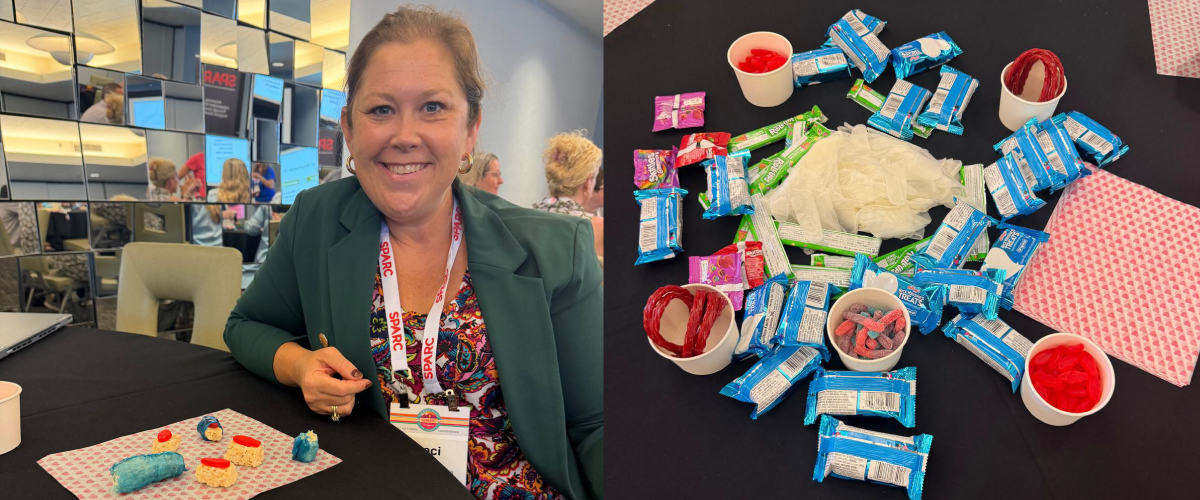
Another highlight was Staci’s participation in a partner workshop with Caitlin and Jara from Pinecrest Pop-Ups. Through creative, hands-on activities, including making candy sushi, participants explored how playful experiences can encourage creativity, collaboration, and connection.
Activities like these are a reminder that meaningful learning can happen in unexpected ways. By combining imagination with opportunities to create and participate, enrichment programs can make new experiences approachable, exciting, and memorable for students.
Fresh Ideas for Summer and Auxiliary Programs

Throughout SPARC 2026, the team explored new programming ideas, connected with professionals across the enrichment community, and exchanged perspectives on how to strengthen summer camps and auxiliary offerings.
These conversations and experiences reinforced an important principle: fun and purposeful learning go hand in hand. The strongest enrichment experiences give children opportunities to explore their interests, develop new skills, collaborate with others, and discover what they are capable of achieving.
At Nexplore, we are always looking for ways to bring fresh ideas into our programs while creating experiences that reflect the evolving needs of schools, children, and families.
Continuing to Foster the Joy of Learning
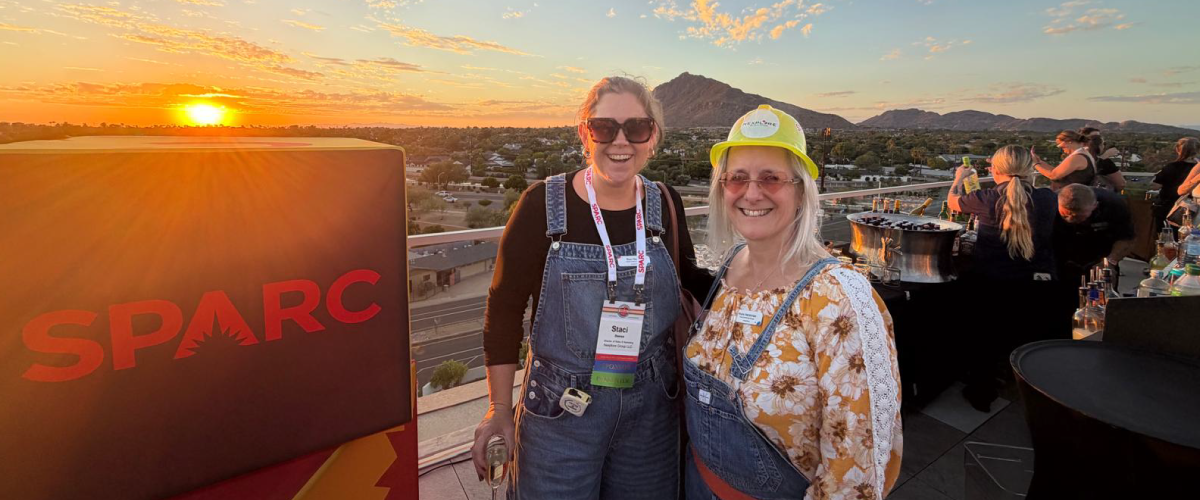
Our time at SPARC 2026 was an opportunity to learn, connect, and find inspiration alongside professionals who share our commitment to meaningful enrichment.
We’re excited to bring these ideas into our continued work developing engaging, hands-on experiences that help students learn through curiosity, creativity, and play.
Because when learning is active, purposeful, and fun, every experience can become an opportunity to discover something new.
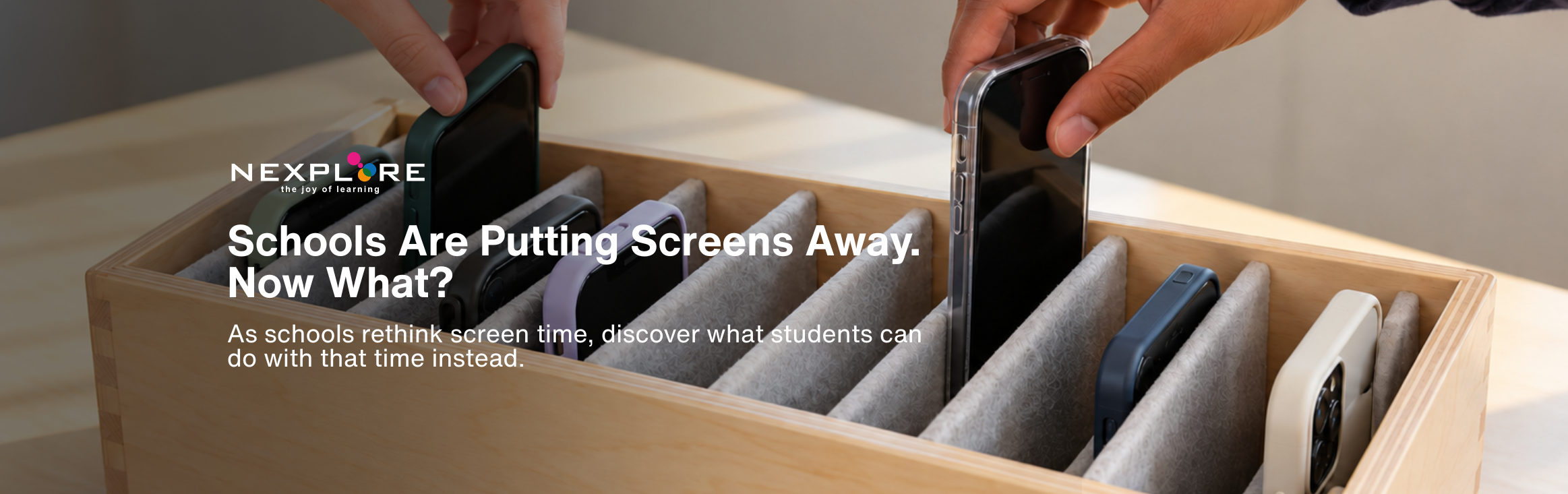
Schools Are Putting Screens Away. Now What?
Across the country, schools are rethinking how—and how often—students use screens.
One recent example comes from Seattle Public Schools. Beginning January 4, 2027, the district will stop assigning individual iPads to students in kindergarten through second grade. Instead, iPads will become shared classroom resources, and daily technology use will generally range from 0 to 30 minutes. The district says technology should support, not replace, hands-on and social learning in the early grades, according to Seattle Public Schools.
The shift reflects a larger question facing schools:
If students are spending less time on screens, what will fill that time?
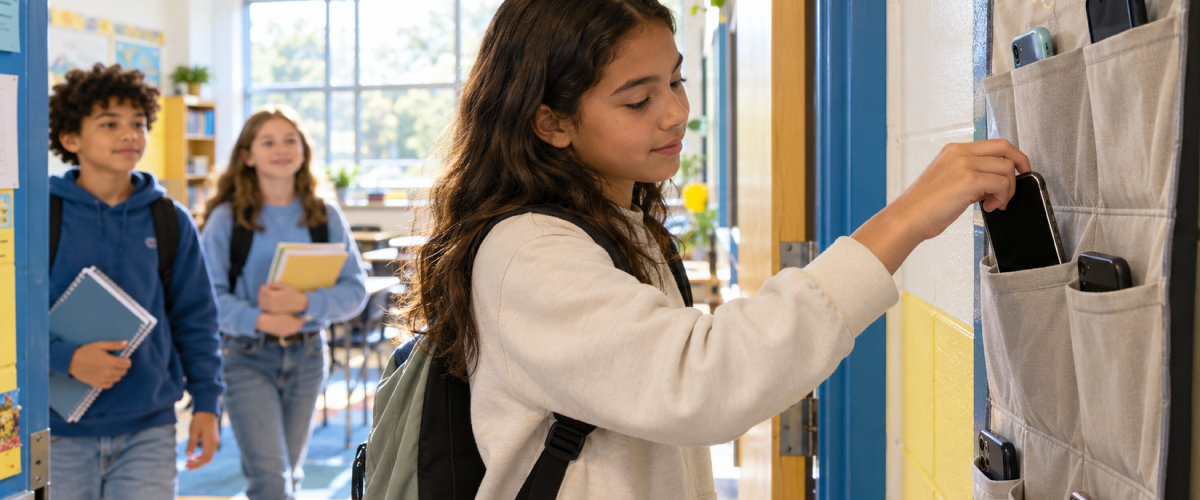
The Push to Put Phones Away Is Growing
Today, reading proficiency goes far beyond decoding words on a page.
School Security Leadership’s state-by-state tracker, updated August 31, 2026, citing Ballotpedia, counts 45 states with laws or state-level policies on student cell phone use in K–12 public schools. Policies vary: some restrict phones bell to bell, others limit use during instructional time, and some leave the details to districts.
Florida tightened its rules again this year. For the 2026–27 school year, students in K–8 are prohibited from using wireless communication devices throughout the school day, from the first bell to dismissal. A pilot created by House Bill 1105 extends the same full-day restriction to high schools in six counties, according to The Florida Press.
California’s Phone-Free Schools Act (AB 3216) gave every district, charter school, and county office of education until July 1, 2026, to adopt a policy that limits or bans student smartphone use during the school day, according to School Security Leadership.
But what happens after the distraction is removed?
What Does the Research Actually Say?
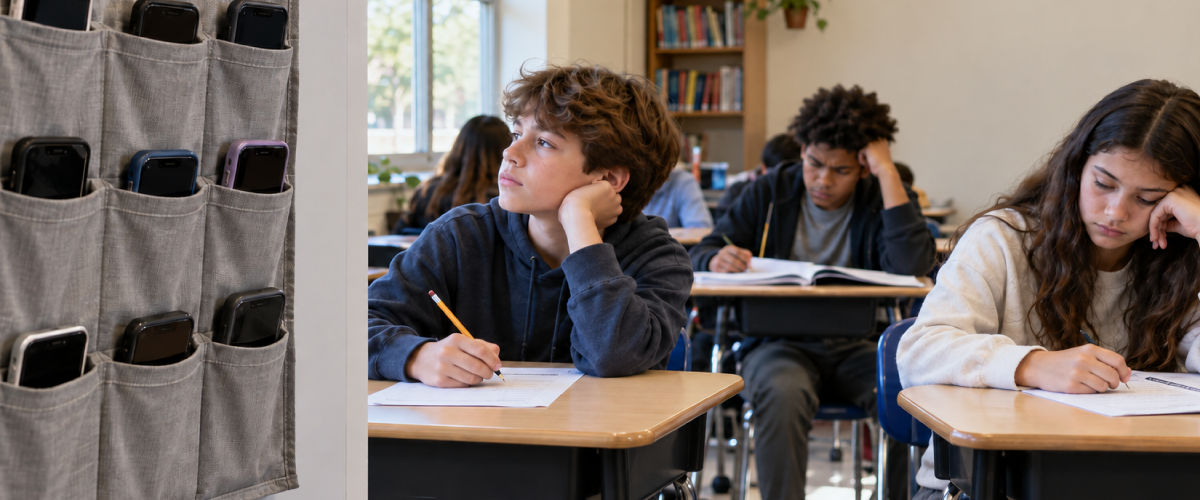
It’s tempting to assume fewer phones means higher test scores.
The research doesn’t support that.
A national study of schools using lockable phone pouches, released as a National Bureau of Economic Research working paper, found that pouches substantially reduced phone use. Student well-being showed signs of dipping in the first year, then recovered and turned positive in later years.
But for academic achievement, the researchers found that “average effects on test scores are consistently close to zero,” with little evidence of effects on attendance, classroom attention, or perceived online bullying, as summarized by Axios.
Taking something away is only part of the solution. What students do instead matters, too.
Why the Early Years Matter
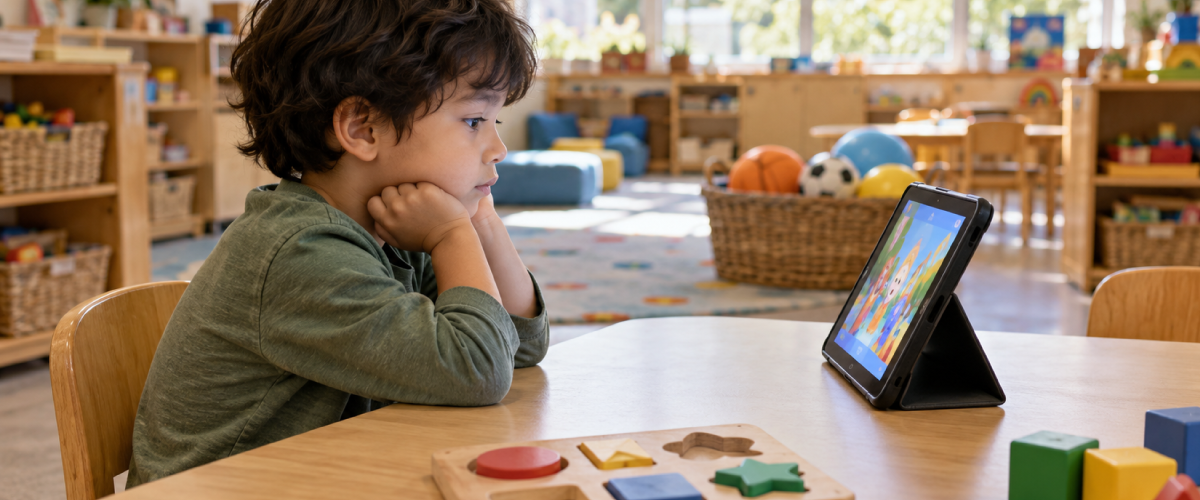
A study by researchers at Inserm and the National University of Singapore, published in the World Journal of Pediatrics, followed 502 children in Singapore from infancy to age 8. More screen time in infancy and around school-entry age was associated with weaker working memory and poorer academic performance later in childhood. The researchers write that “the timing of screen exposure may be as important as the amount of screen time itself,” per the study’s release on EurekAlert.
But the research isn’t one-dimensional.
An eight-year study from Finland’s University of Jyväskylä, published in Pediatric Exercise Science, found that teens who had more screen time growing up performed better on cognitive processing tests. Researcher Petri Jalanko suggests the type of activity is what matters: “Presumably, the essential point here is what kind of things they do in their screen time.” The researchers call for balance between screen time and physical activity and note that the findings show associations, not cause and effect, as reported by ScienceDaily.
The takeaway isn’t that every screen is harmful—or that every screen is helpful.
It’s that how students spend their time matters.
What Does the Research Actually Say?
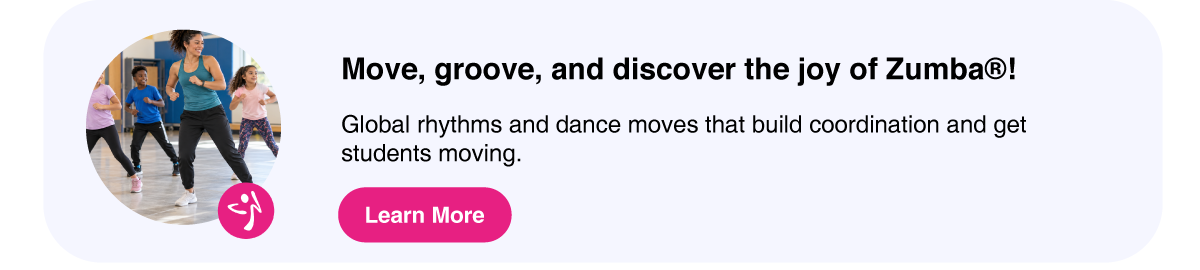
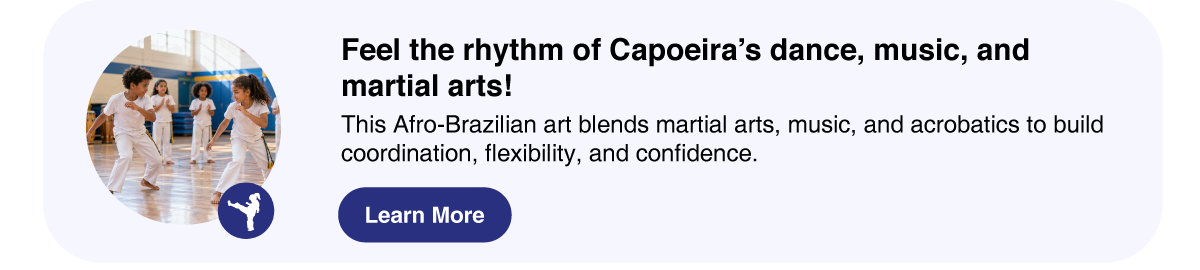
Time away from screens is an opportunity for students to build, create, move, experiment, collaborate, and engage with the world around them.
That’s where hands-on learning can play an important role.
The Question Isn’t Just “How Much Screen Time?”
Seattle’s approach puts a useful question in front of schools: What should learning look like when the screen isn’t the center of the experience?
Phone restrictions can reduce phone use, and well-being benefits may emerge over time, while effects on test scores have been close to zero. Early-childhood research suggests the timing of screen exposure may matter, while other research points to balancing screen time with physical activity.
The conversation doesn’t have to be screens vs. no screens. It can be about creating a school day where students have more opportunities to think, create, move, explore, and connect—and where technology is used intentionally when it supports the learning goal.
Finding the Right Balance With Nexplore
The key is what students are doing with the technology.
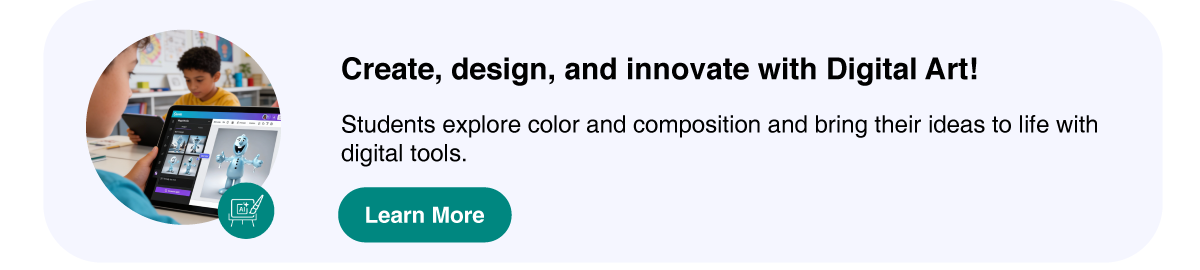
Nexplore also offers programs that use screens as tools for creativity, problem-solving, design, and exploration.
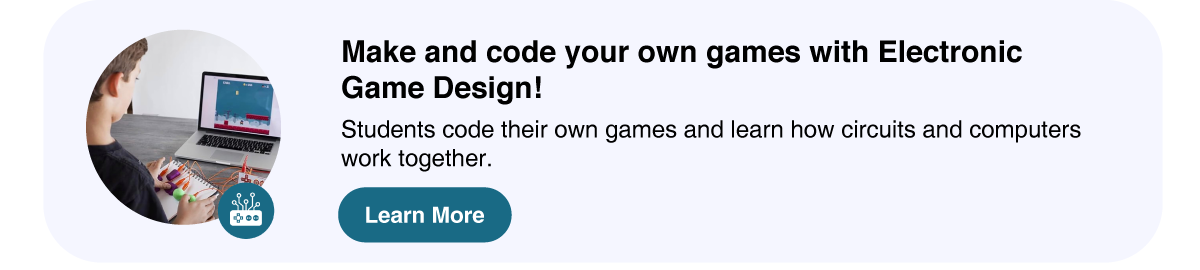
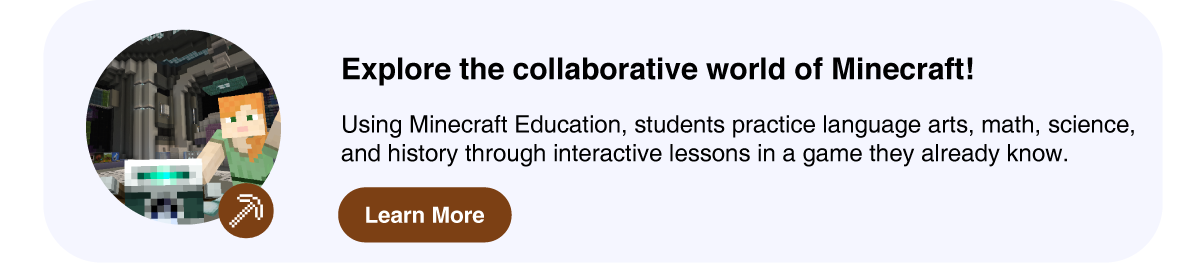
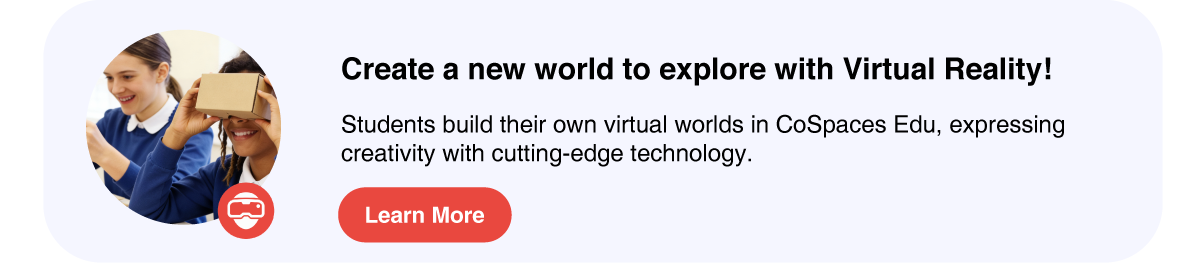
The goal is to make sure that when students use technology, they’re doing something meaningful with it.
Because when schools put the screens away, the next question shouldn’t be:
“What do we do with the time?”
It should be:
“What could students do with it?”
Ready to Create More Meaningful Learning Experiences?
Nexplore brings STEAM, arts, games, and fitness programs into schools and districts, with options that get students to create, explore, move, and learn by doing.
Let’s create more opportunities for students to engage with learning—on and off the screen.
👉 Talk with Nexplore about bringing hands-on and technology-enriched programs to your school.

Minecraft is a trademark of Microsoft. Zumba is a registered trademark of Zumba Fitness, LLC. CoSpaces Edu is a product of Delightex.